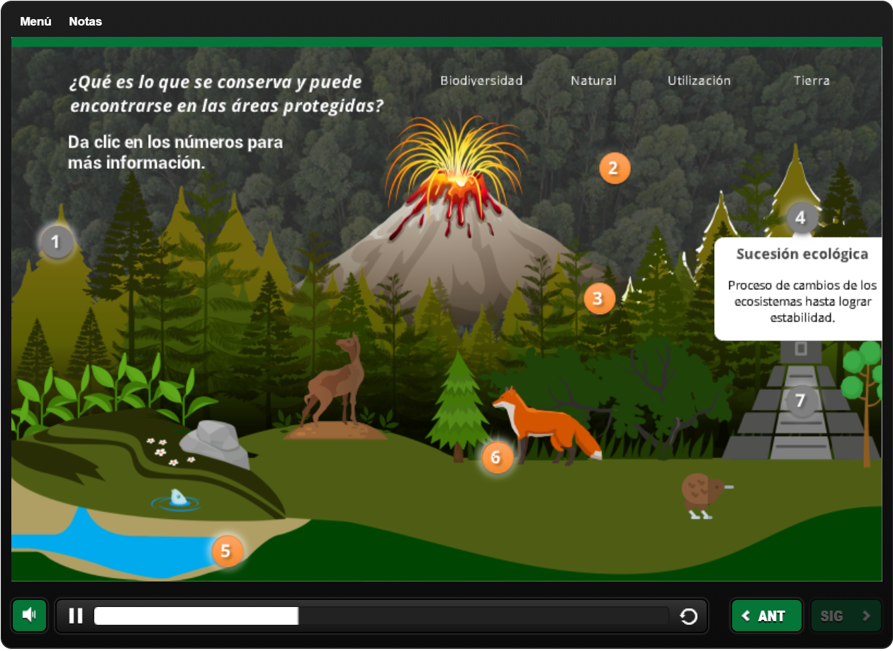
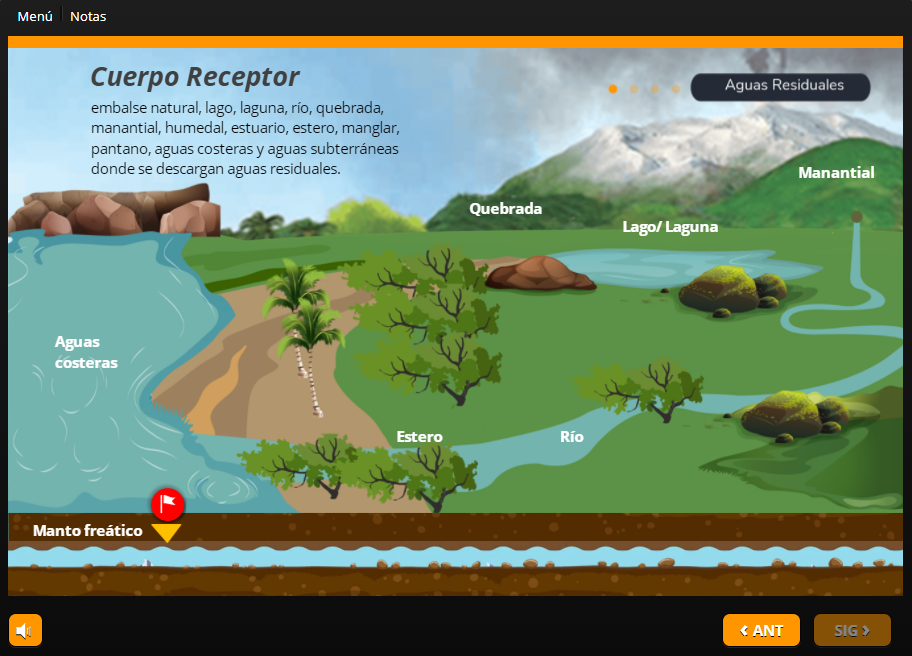
Within the International Environmental Education Day framework, Progreso promotes the use of its environmental simulator to enhance knowledge about effective environmental practice implementation across different social leves.
One of the main objectives of commemorating World Environmental Education Day, celebrated on January 26th, is raising awareness and educating society to understand the importance of the environment and cultivating the relationship between humans and nature.
This date seeks to encourage society’s participation in activities aimed at understanding and providing solutions to environmental issues facing our planet.
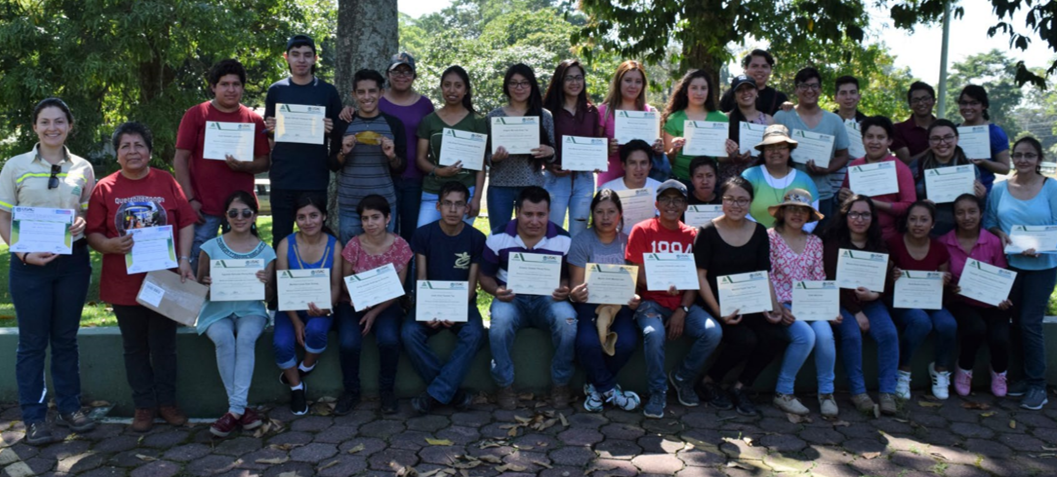
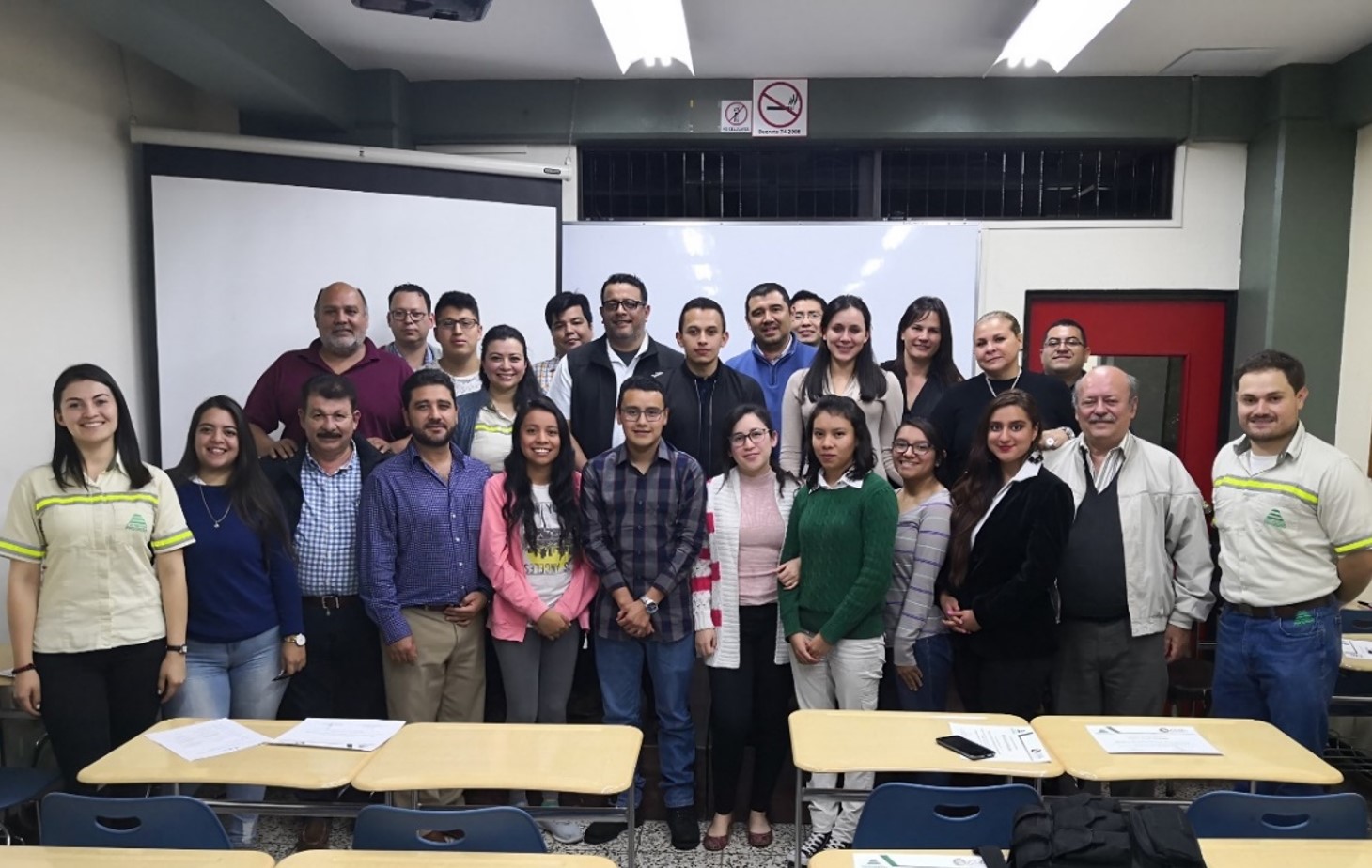
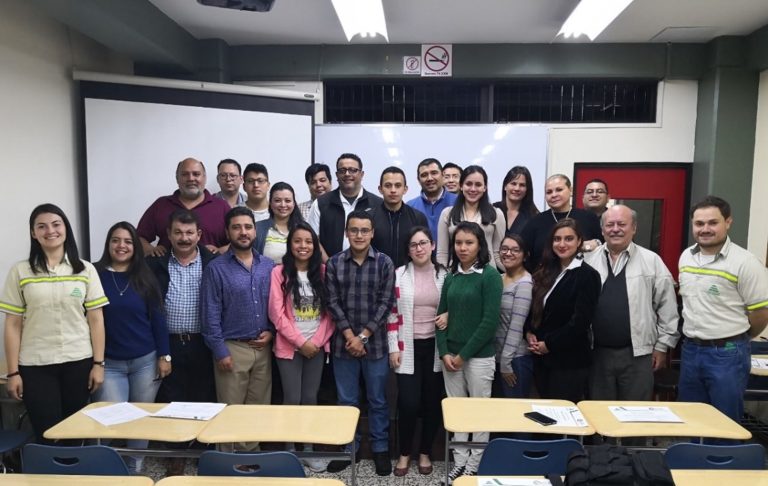
As environmental leaders, Progreso promotes its environmental training program through educational sessions targeting employees, public schools, and some private schools, fostering the implementation of effective environmental practices.
Due to the high social interest generated by the project, the focus was narrowed down to a formal academic group. An automated approach was adopted through an interactive platform. This allows users to access sessions from any smart device, promoting an understanding of environmental technical and legal responsibilities through a theoretical-practical approach including specific cases adapted to the Guatemalan reality.
Understanding regulations to achieve better practices
The legal content has been condensed and organized into three main sections: fundamental concepts, theoretical content (covering relevant legal provisions and lasting between 10 and 15 minutes), and a section of practical case studies extending from 20 to 35 minutes to resolution.
The course consists of 12 modules covering topics such as Energy Management, Cultural Heritage, Environmental Licensing, Comprehensive Management of PCBs, Wastewater, Responsible Forest Management, Territorial Reserves, Legal Aspects of Mining, Protected Areas, Hydrocarbons Handling, Waste and Solid Waste, and Coprocessing.