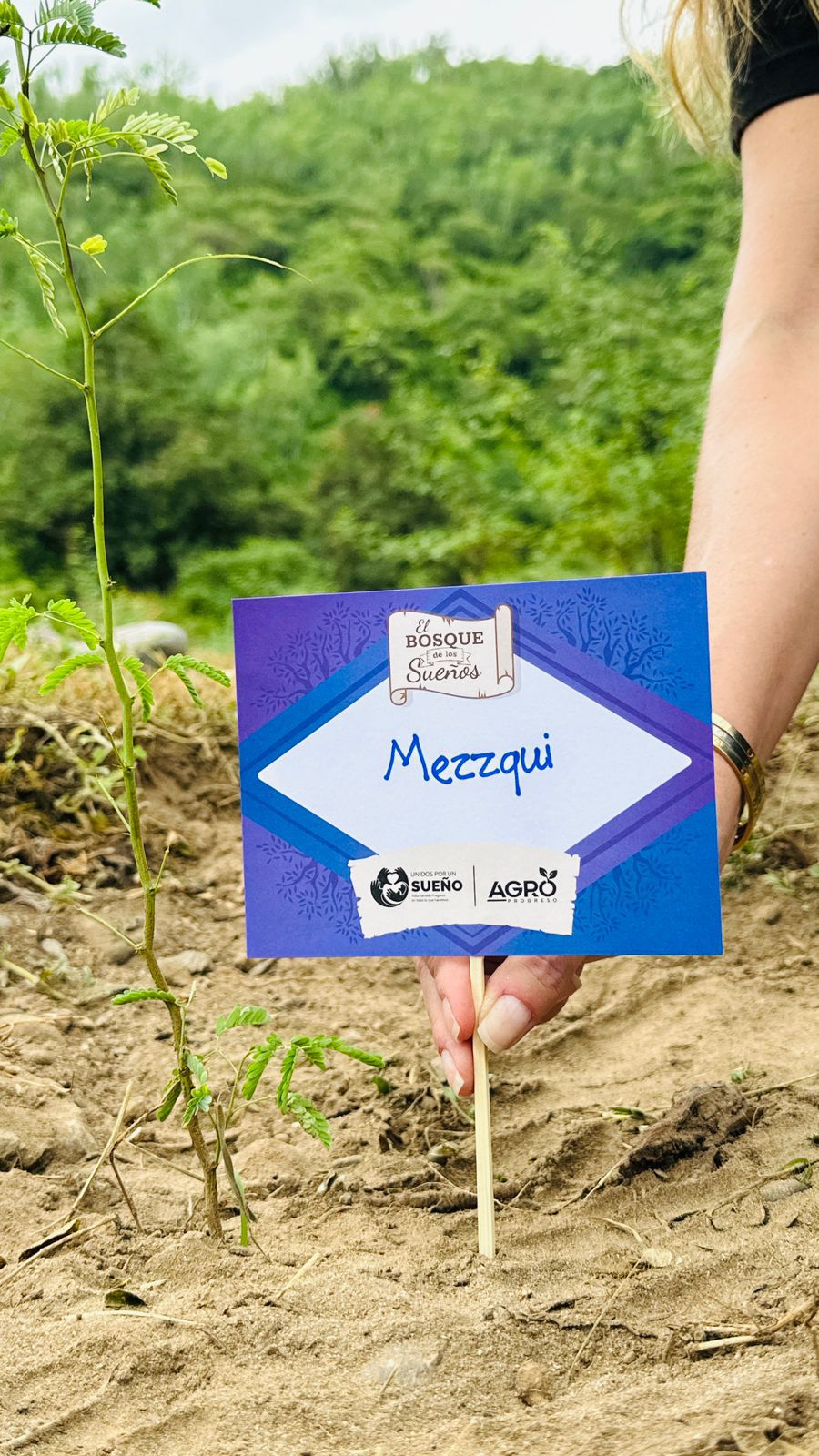
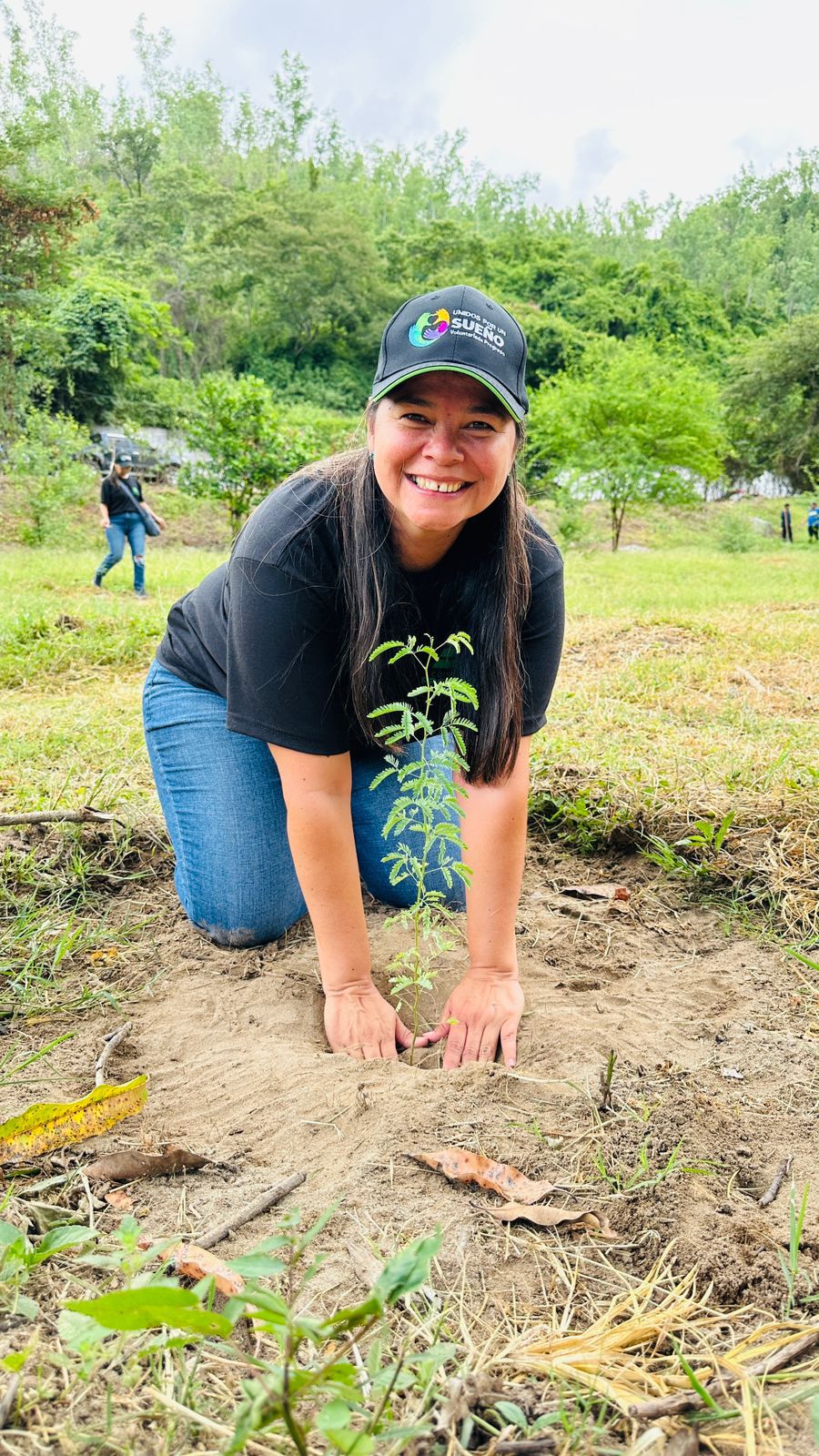
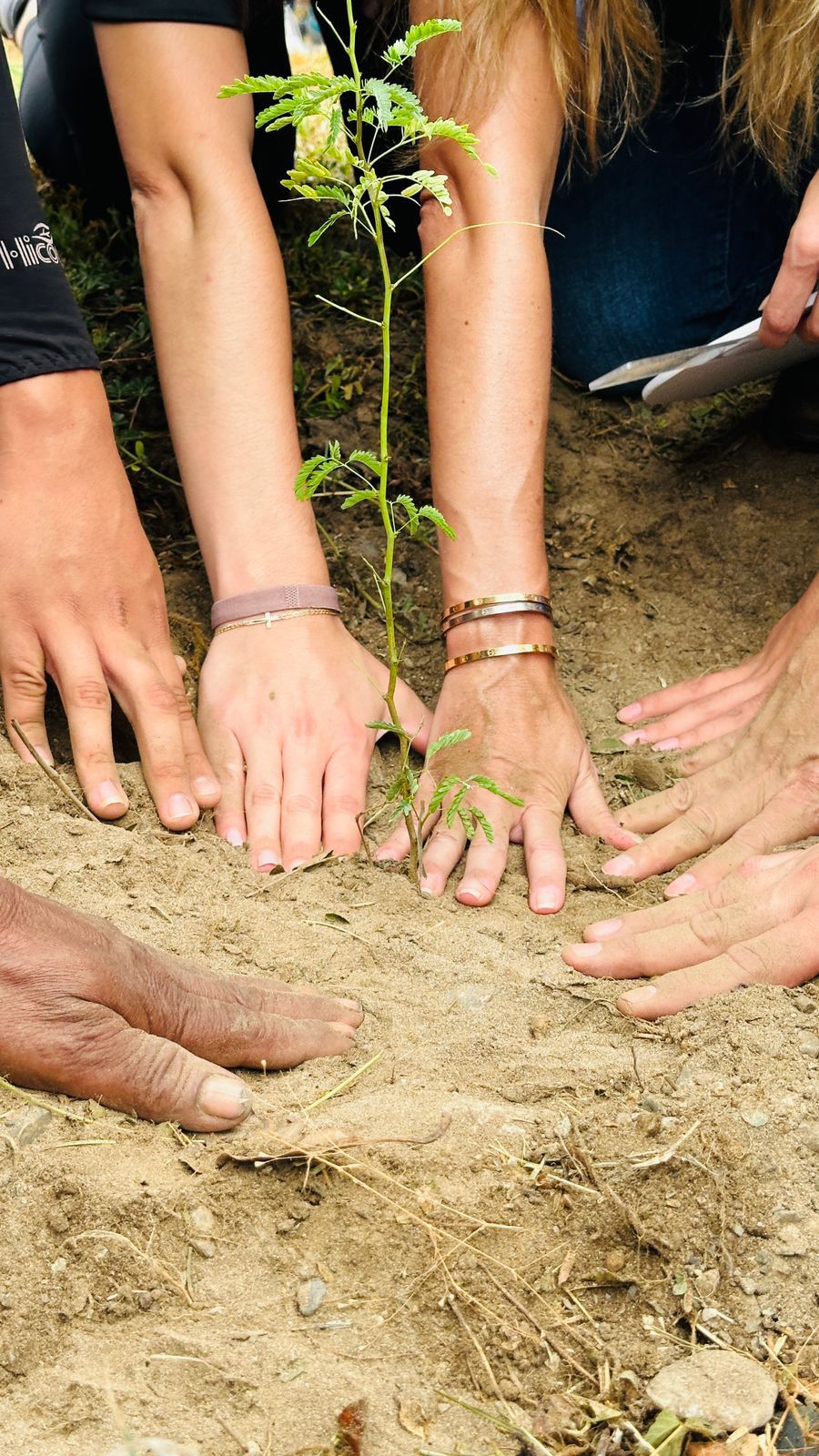
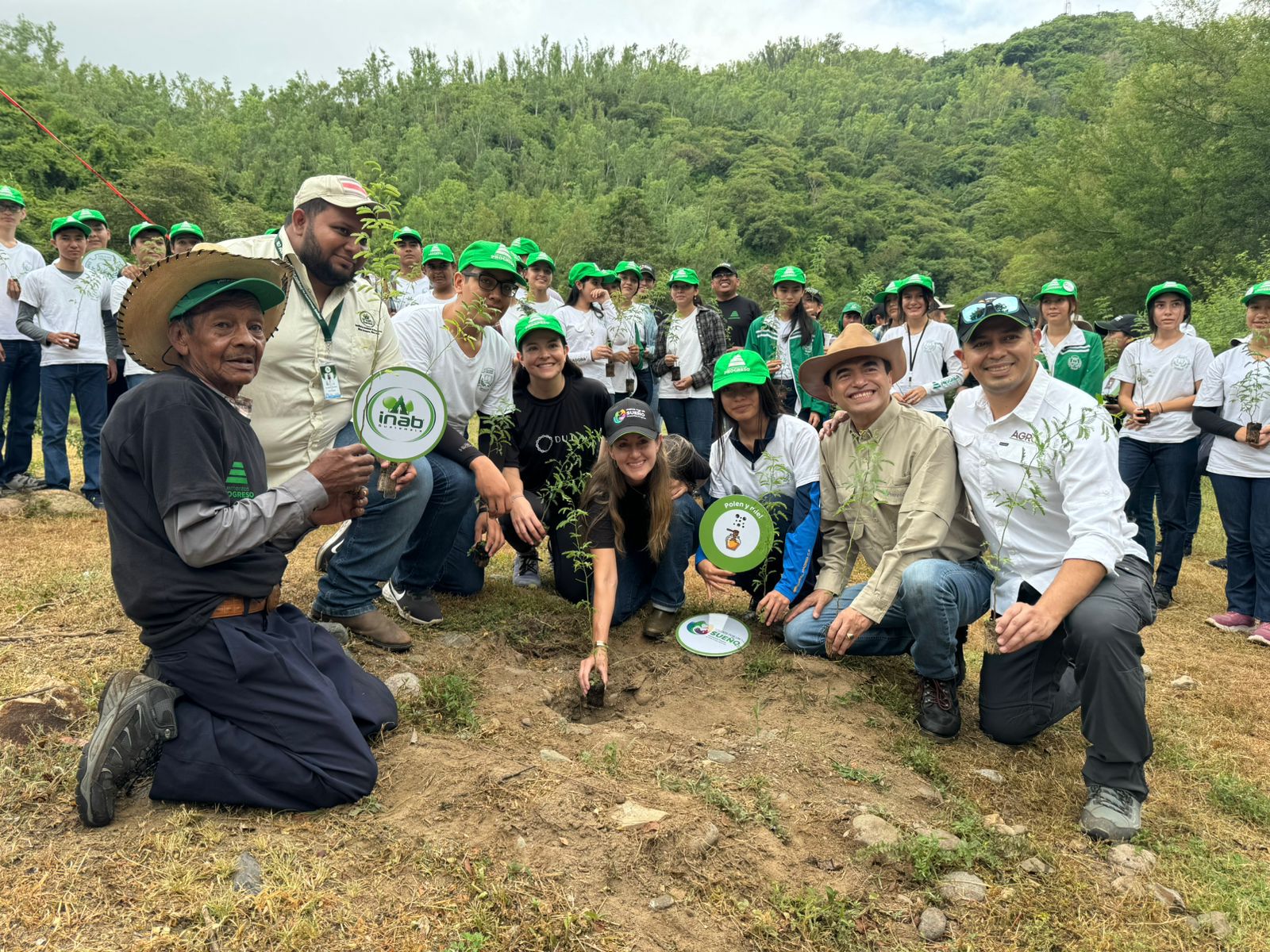
AgroProgreso reinforces its environmental commitment by planting one thousand mesquite trees in the village of El Chile, Sanarate, as part of the campaign “El Bosque de los Sueños” (The Forest of Dreams), promoting sustainability and local development.
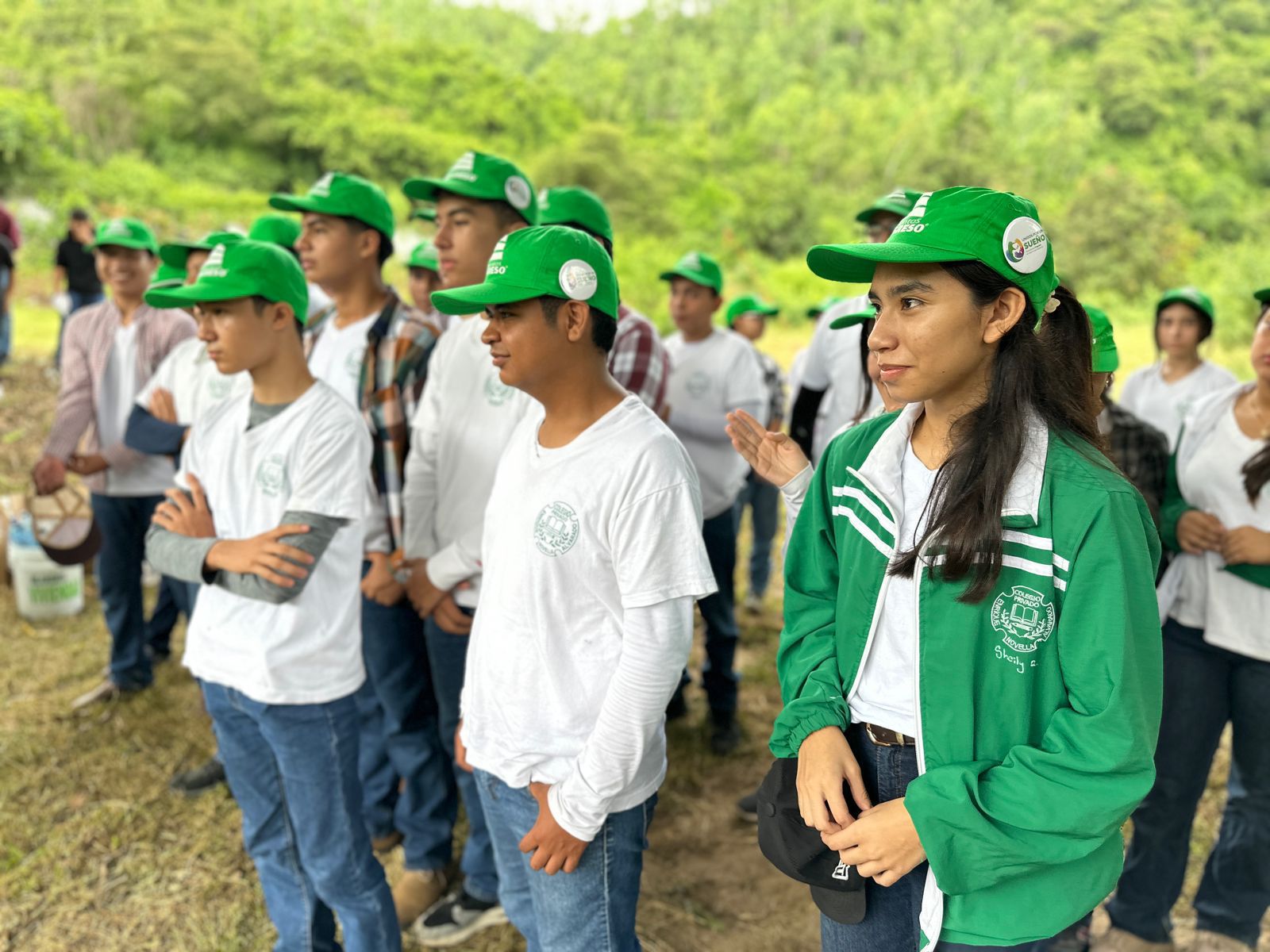
As part of the initiative “El Bosque de los Sueños”, Progreso, with the support of AgroProgreso, carried the volunteer program at the village of El Chile, located in the San Miguel Río Abajo Farm, Sanarate, El Progreso.
During this day, a thousand mesquite trees were planted, a key species for sustainability in the dry corridor of the country.
This effort, aligned with Progreso’s environmental leadership and Responsible Citizen pillar, not only promotes environmental sustainability, but also strengthens food security and fosters local development in the municipality.
Leslie Melville, Progreso’s Organizational Culture Manager, highlighted that this is the fifth volunteering activity of the year, an activity designed to live the value of solidarity.
A forest to live better
Carlos Briones, manager of AgroProgreso, emphasized that this volunteer program seeks to maintain a functional ecosystem in the dry corridor and create sustainable forests that benefit local communities.
Mezquite, a versatile species, can be converted into food, ink and wood, providing essential resources for local families.
As of 2010, AgroProgreso has worked on recovering native mesquite germplasm, an initiative that has improved the nutritional conditions of thousands of Guatemalan families through forest-based solutions.
Juan Cabello, manager of the San Miguel plant, emphasized that this plant represents a key livelihood for the community, providing fruit and other resources in just two years.