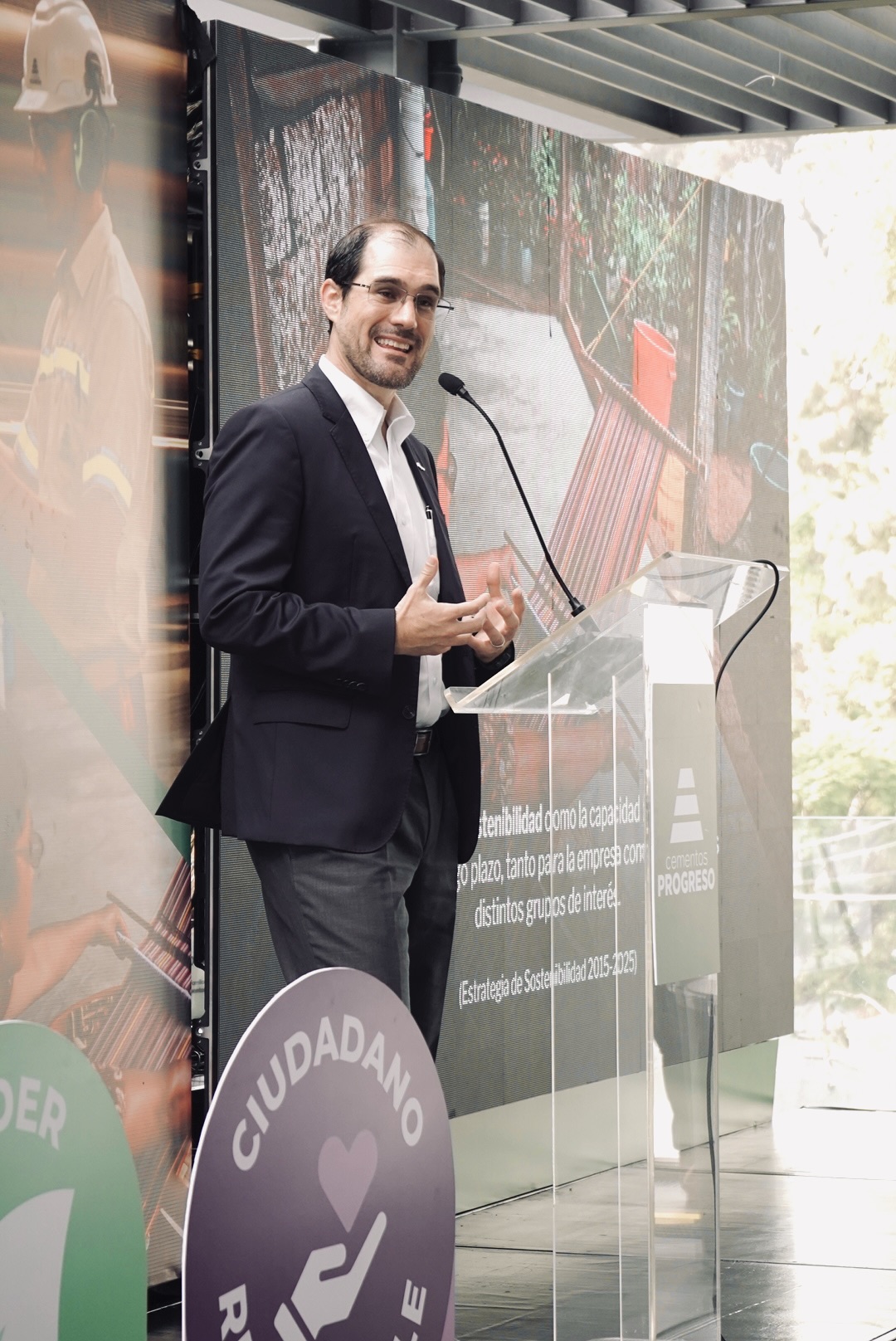
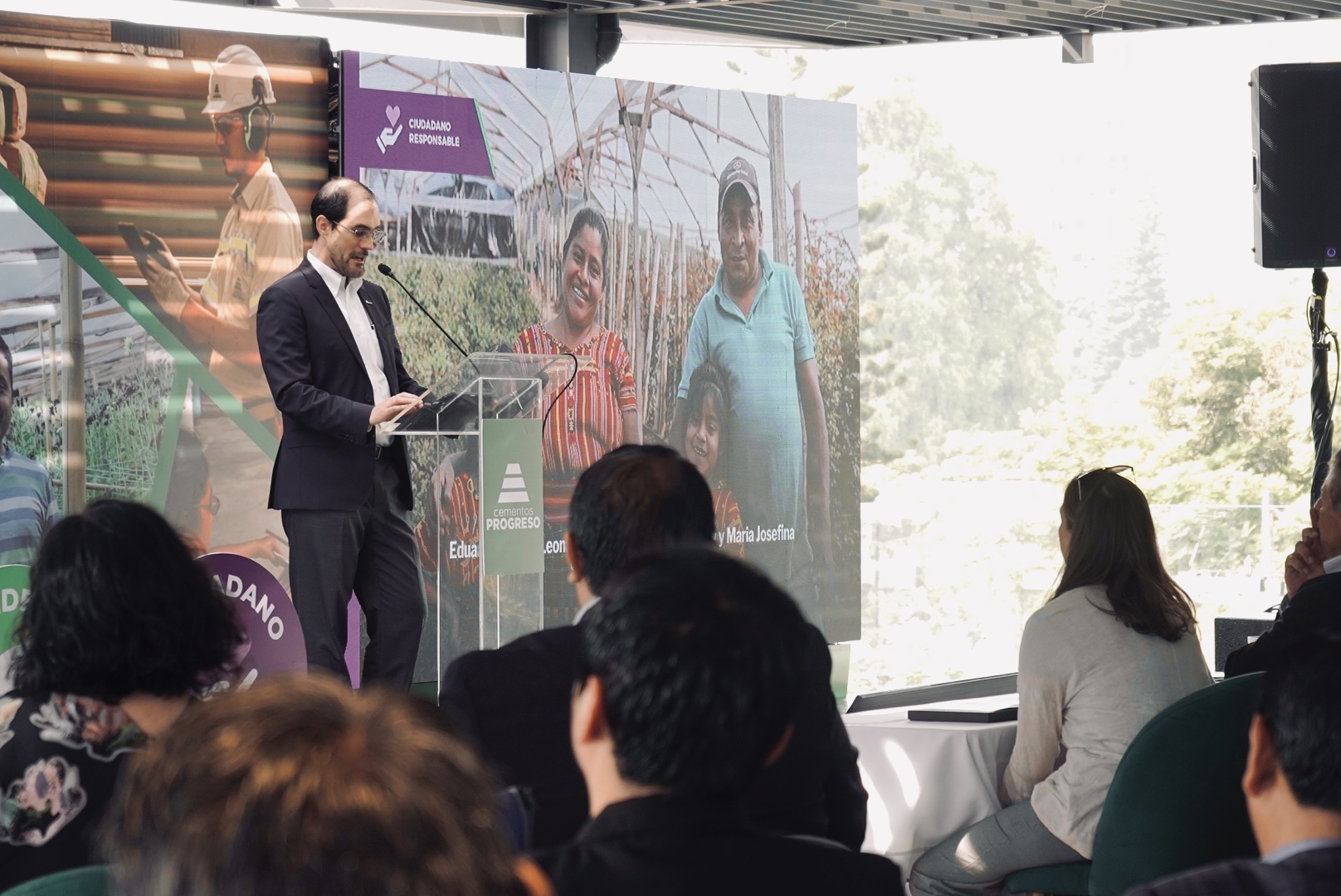
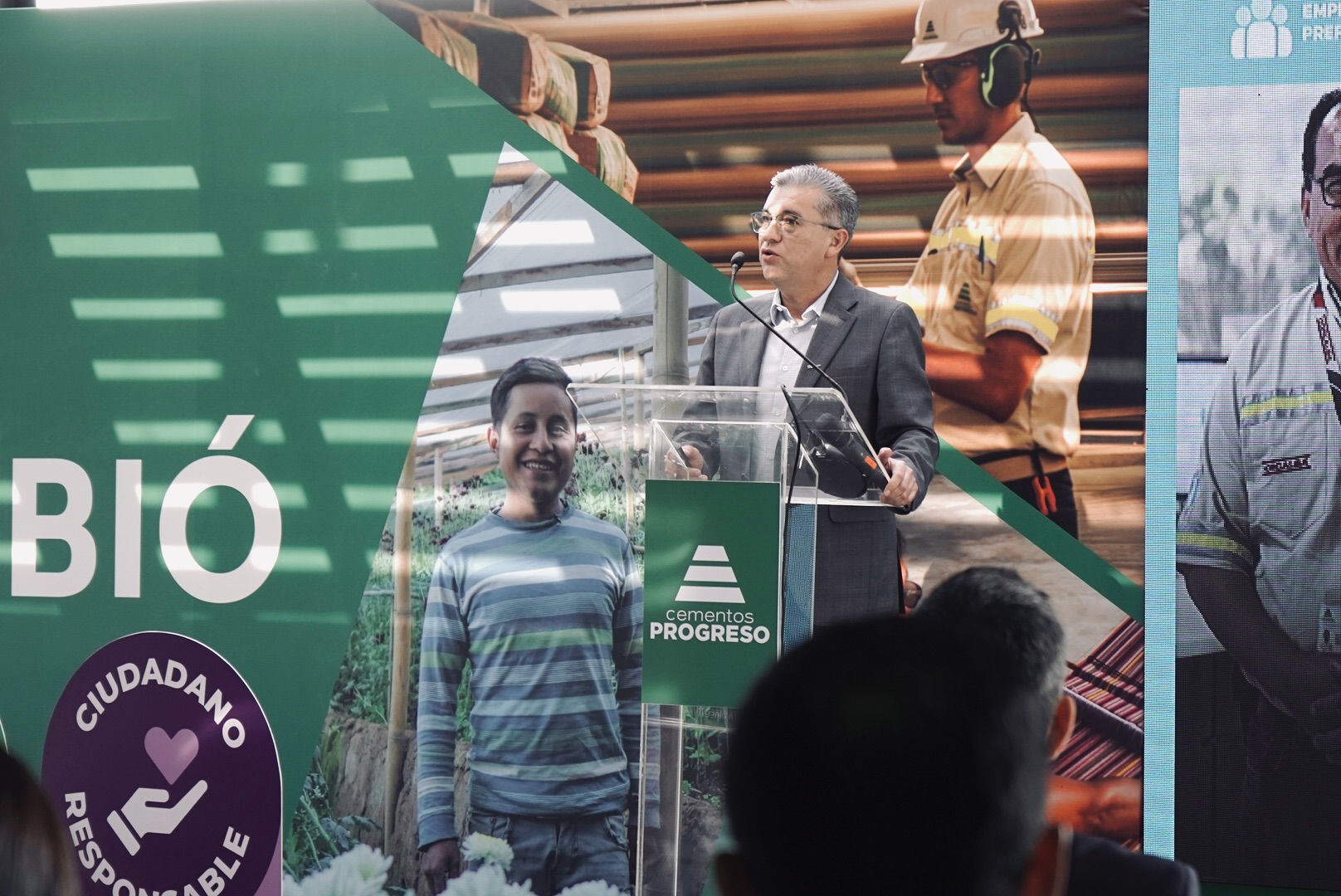
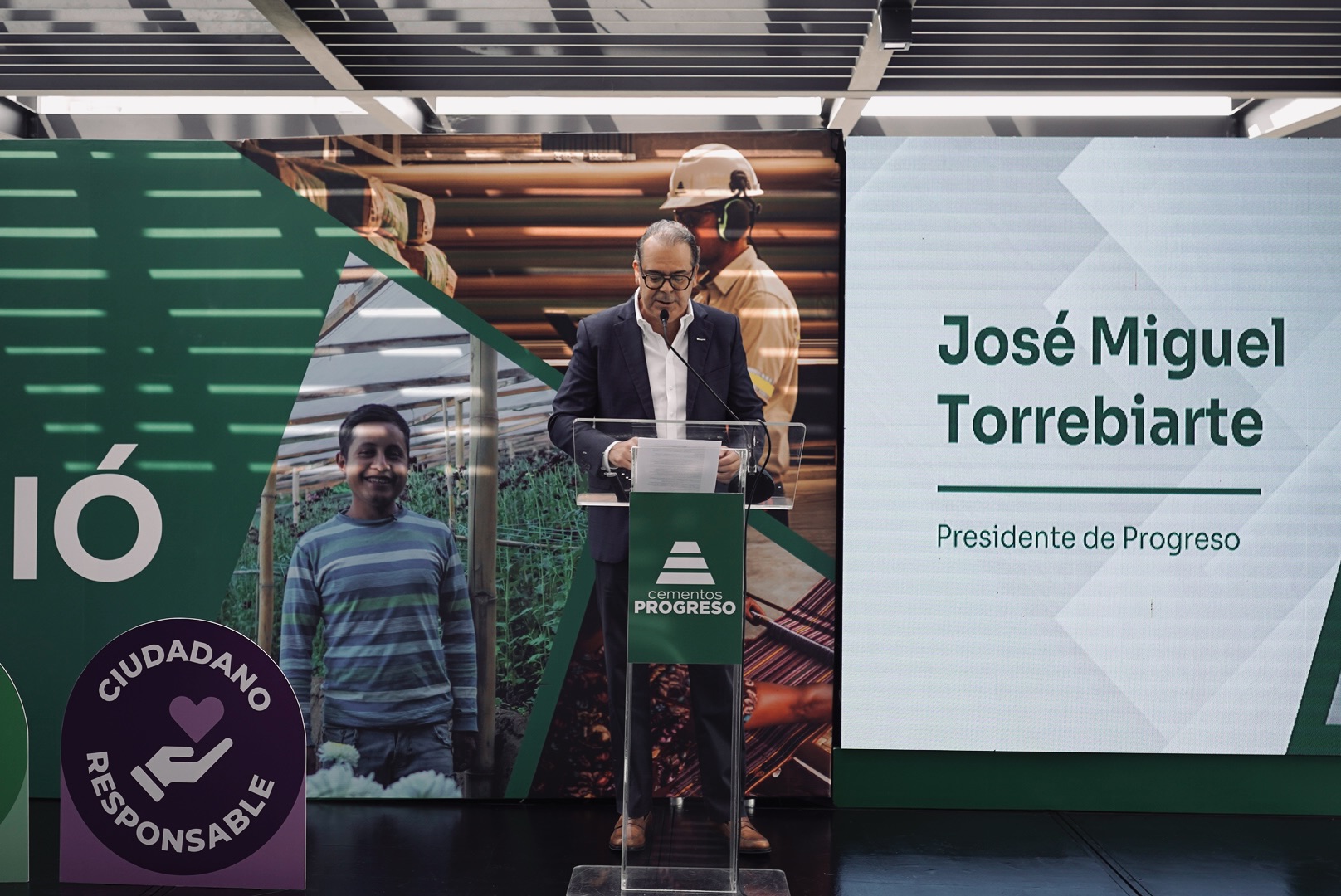
As part of its transparency and accountability program, Cementos Progreso has published its fourth Sustainability Report entitled "Everything Has Changed".
Few companies have been able to face and overcome challenges of great magnitude. For more than 124 years, Cementos Progreso has adapted to major economic, political, and social adversities that have transformed the world.
But how have they done it?
Carlos F. Novella, Progreso’s founder, infused the corporation’s DNA with a long-term vision and values that have inspired the 2015-2025 Sustainability Strategy.
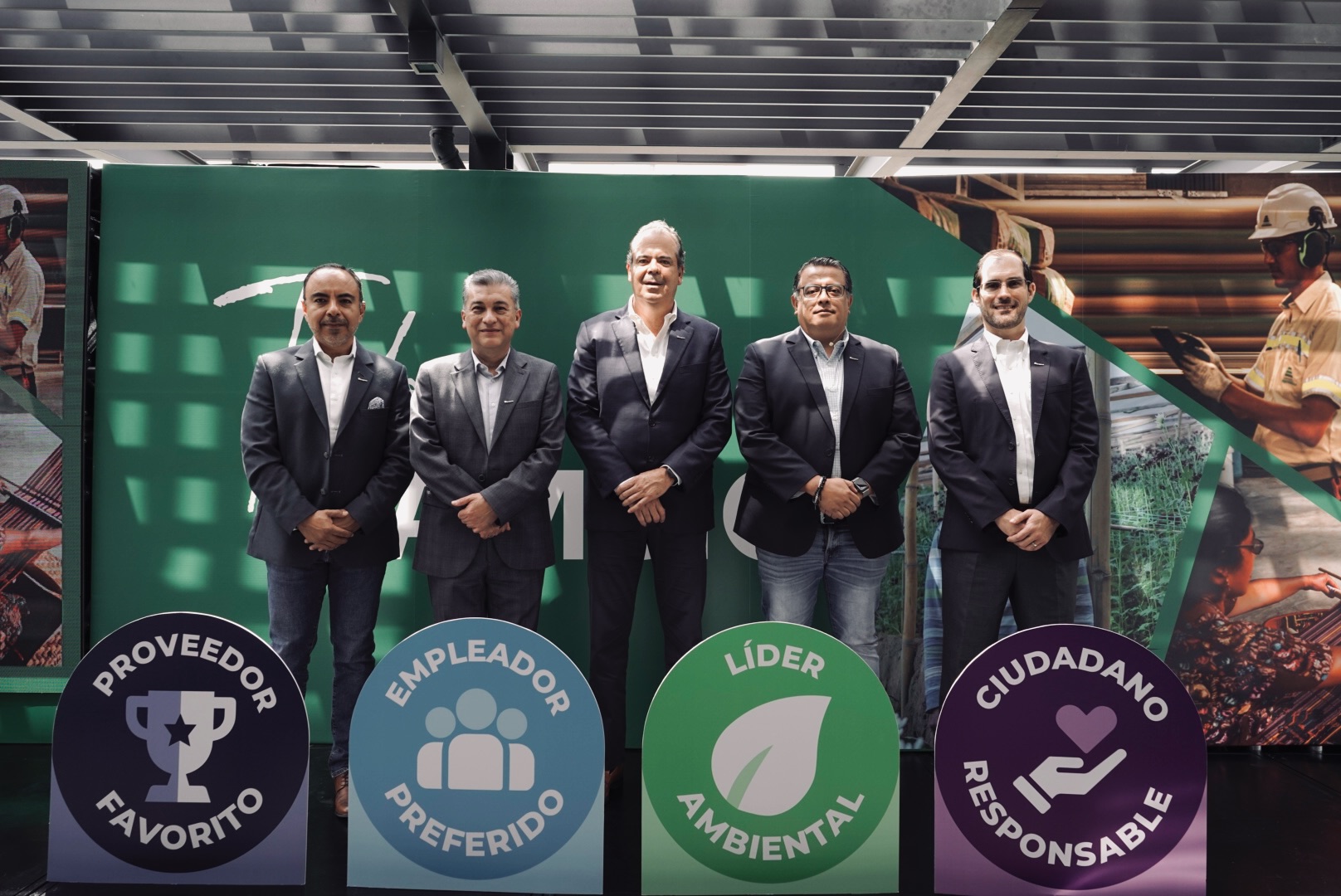
This strategy focuses on creating value, both for the company and its stakeholders, while maintaining a balance in the economic, social, and environmental spheres. Its ongoing policies are based on four vital pillars:
- Preferred Employer: in 2022, 94% of collaborators reiterated their commitment and adherence to the Code of Values, Ethics and Conduct, COVEC; 264 new jobs were created to reach 3,822 collaborators in the countries covered by the report. In addition, women represented 17% of the workforce and currently occupy 26% of the decision-making and positions of authority. Fifty-seven percent of the plants’ employees come from the communities in which they operate.
- Favorite Vendor: in 2022, investment increased for research, development, and innovation of new construction solutions. Additionally, the Construyamos and Módulos Urbanos de Vivienda Sostenible , MUVIS programs promoted housing solutions, benefiting 1,488 families through 18 housing projects.
- Environmental Leader: Through preventing, sharing responsibility, continuous improvement, training, research, and science and innovation, Progreso seeks to strengthen its regional leadership. In this regard, 61.8% of ordinary waste is recycled or reused, and another 25.5% is reused for energy recovery in the cement kilns. In addition, 100% of its operations comply with efficient wastewater treatment system design and 95% have water management plans.
- Responsible Citizen: in 2022, through AgroProgreso and Finca El Pilar, we promoted production chains that boosted flower growers’ self-sustainability in Guatemala, where 17,000 dozen roses were exported to the United States. In addition, 418 households transformed their lives with the «Pisos S3» initiative, promoting healthy, safe, and sustainable spaces by replacing dirt floors with cement ones.